
Solar installation with battery storage: costs, benefits and how it works
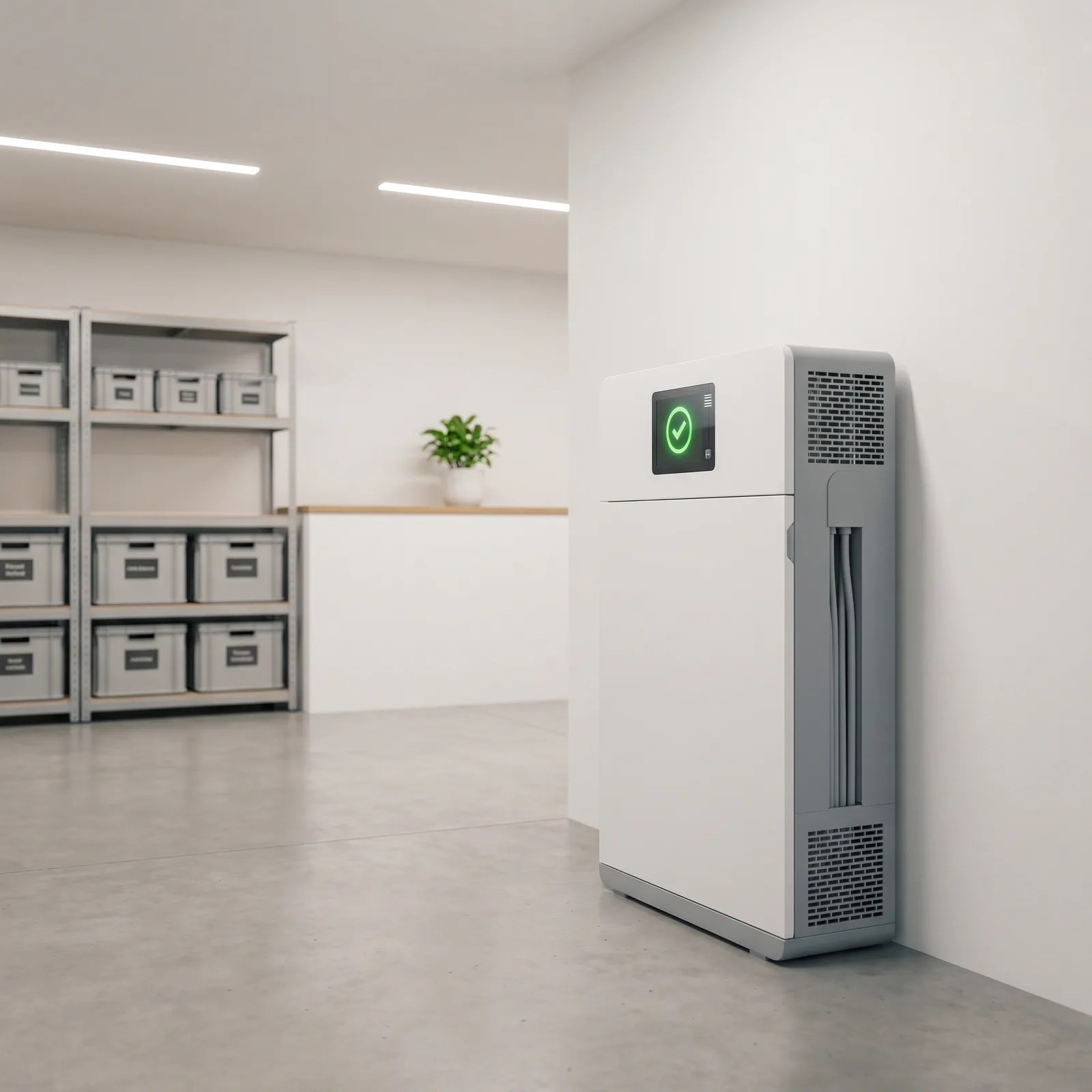
Battery storage lets you use the solar electricity you generate yourself even in the evening and at night — instead of feeding it into the grid.
60 to 80 %
Self-consumption with storage
10 to 14 years
Battery payback
Self-consumption compared
Average values for a detached house with a 10 kWp solar installation
How it works
How does a solar installation with battery storage work?
A photovoltaic installation generates electricity from solar energy during the day. This is first used directly in the household — for appliances, lighting or heat pumps.
If the installation produces more than is currently needed, the battery storage automatically stores the energy. In the evening or at night, it releases it again. An intelligent controller ensures optimal distribution.
Solar installation
Storage
Household
Why it's worth it
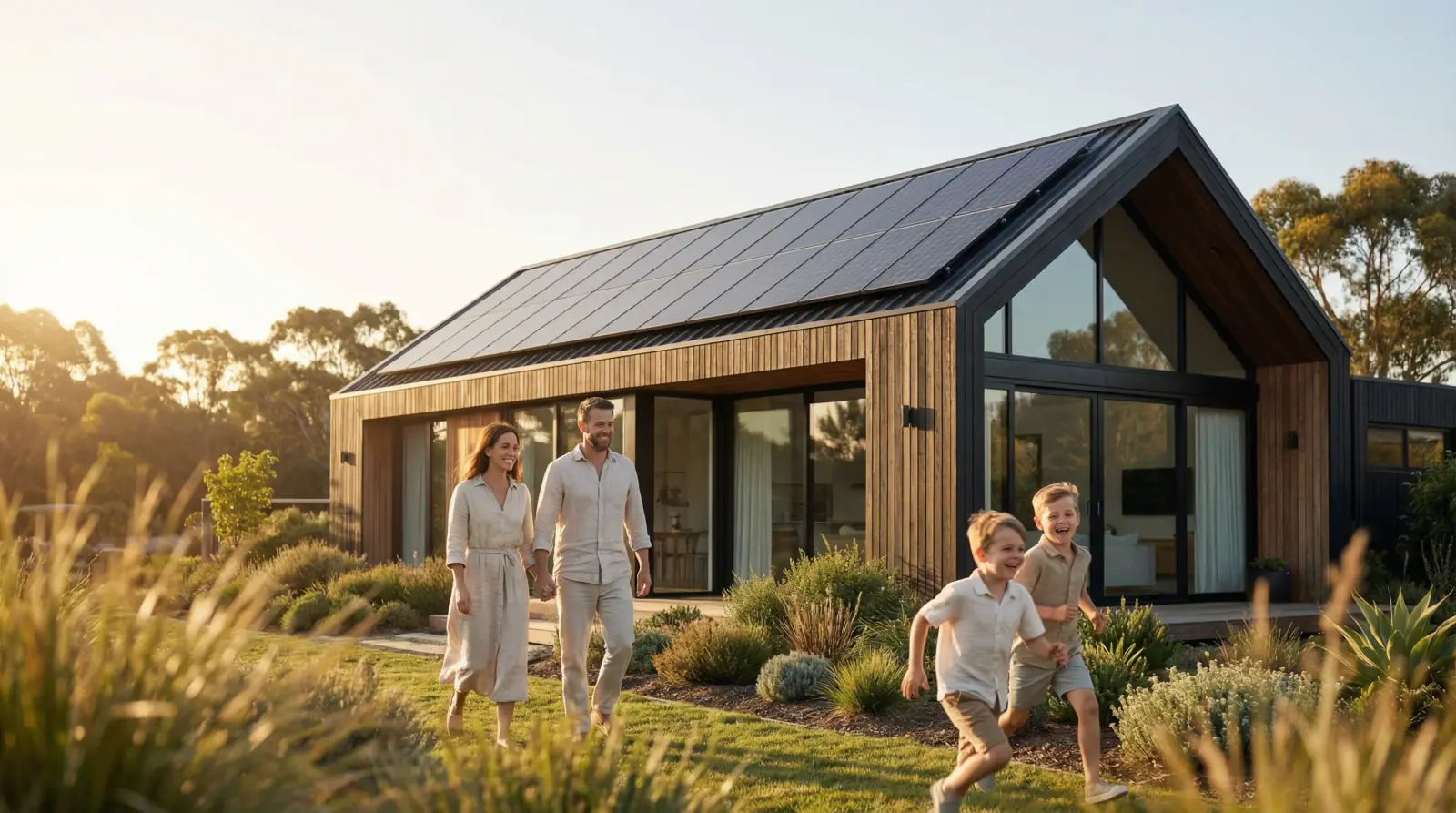
The benefits of battery storage
Without storage, self-consumption is 25 to 35 %. With storage, it rises to 60 to 80 %.
Less electricity purchased
You buy significantly less electricity from your energy supplier — day after day.
Lower electricity costs
In the long run, your electricity costs fall considerably, especially as prices rise.
More independence
Less dependence on the electricity market — even in the evening and at night.
Use solar energy optimally
The electricity you generate yourself is no longer fed into the grid unused.
Costs & prices
How much does a solar installation with battery storage cost?
Costs depend on the system size, storage capacity, roof type and component quality. Typical guide prices for a detached house:
Photovoltaic installation (10 kWp)
19'000 to 24'000 CHF
Battery storage (10 kWh)
5'500 to 7'500 CHF
Prices from independent installers, turnkey including installation and VAT, without battery storage. Local electricity utilities generally charge more.
Prices include installation and commissioning. If storage is added later without a hybrid inverter, an additional CHF 1'500 to CHF 3'000 applies.
Indicative values, updated September 2026. Sources: Pronovo, ElCom, Swissolar.
Thanks to subsidy programmes and higher self-consumption, the system can pay for itself economically over several years.
Storage size
How large should your battery storage be?
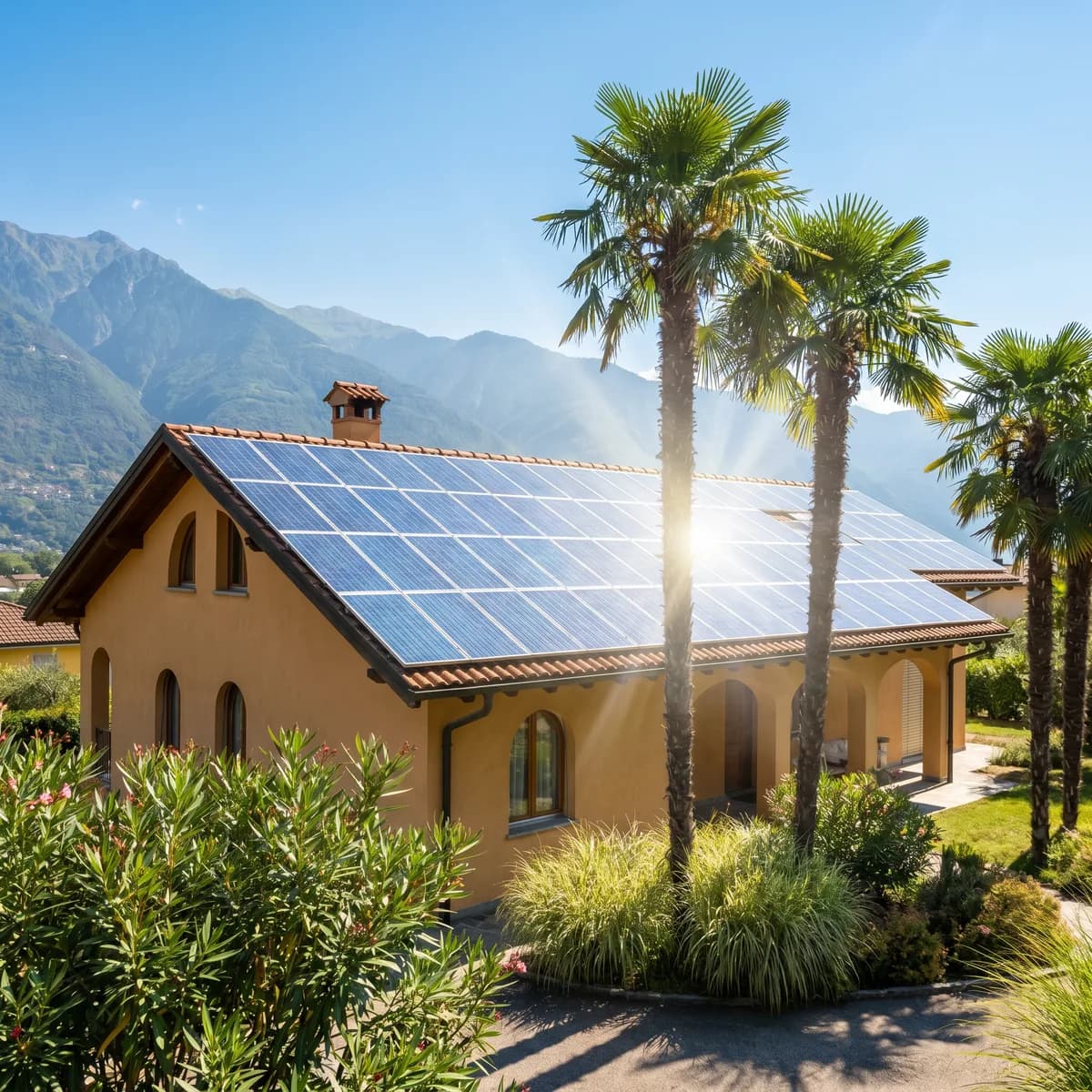
The ideal size depends on your household's electricity consumption and the size of your solar installation. An oversized storage can be less economically sensible.
Select your household profile to see the recommended storage size and expected self-consumption.
3–4 Personen
Einfamilienhaus
Empfohlener Speicher
8–10 kWh
Tageskapazität
8–10 kWh
Indicative values, updated September 2026. Sources: Pronovo, ElCom, Swissolar.
Electricity production
How much electricity does a solar installation produce?
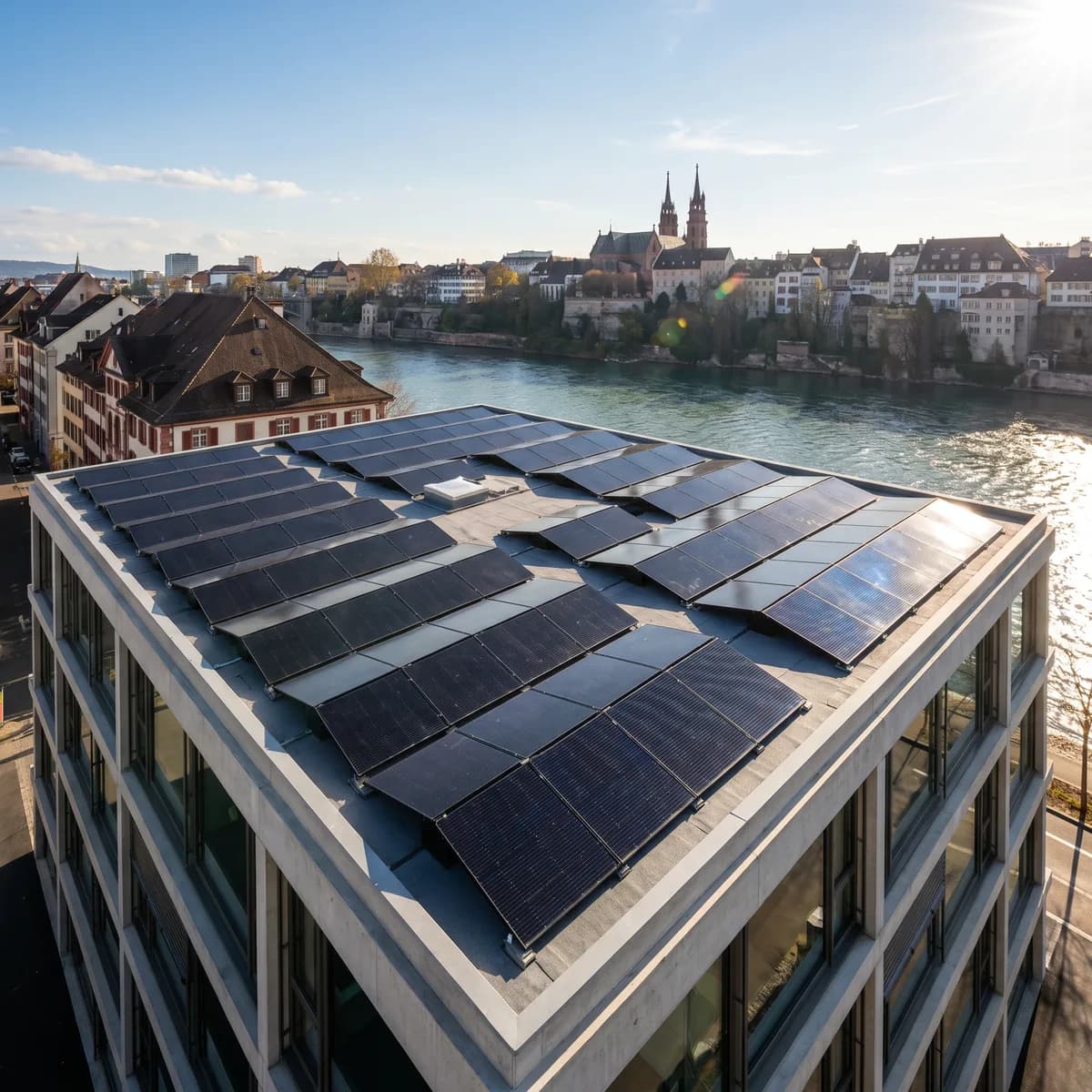
A 10 kWp installation on the Swiss Plateau produces 9'500 to 10'000 kWh per year.
The exact amount depends on the roof orientation, tilt angle and local solar irradiation.
Battery storage is especially worthwhile when…
An electric car is being charged
A heat pump is running
Evening electricity consumption is high
The goal is to use as much solar electricity as possible directly
FAQ
Frequently asked questions about battery storage
Prices include installation and commissioning. If storage is added later without a hybrid inverter, an additional CHF 1'500 to CHF 3'000 applies.
Indicative values, updated September 2026. Sources: Pronovo, ElCom, Swissolar.
Compare offers
Compare solar installations with storage now
Costs can vary significantly depending on the installer and components. Get up to 3 free quotes and compare them.
Get free quotes