Basics of Solar System Durability in Switzerland
Photovoltaic systems often come with performance guarantees of 25 years. In reality, many exceed this period significantly. The latest materials and technologies allow for a lifespan of up to 40 years, with many systems continuing to generate electricity decades later due to their construction and quality.
The natural aging process, also known as degradation, results in a low annual performance loss of 0.3% to 0.5% for modern modules. N-Type cells, in particular, offer high stability and remain efficient even after 30 years.
While financial amortization is often achieved within 10 to 15 years, the long technical lifespan of over 30 years allows for an additional phase of 'free electricity', thereby significantly increasing the return on investment.
Modern solar systems can supply electricity for well over 30 years, leading to a long-term financial advantage.
The Lifespan of the Components: Modules, Inverters, and More
The lifespan of a solar system depends on the interaction of its components. For example, glass-glass solar modules offer protection against moisture and mechanical impact, significantly extending their lifespan.
Inverters, which convert the electricity, have a shorter lifespan of about 12 to 15 years due to thermal stress. Batteries also age over time but are crucial for effective management of self-consumption.
Regular software updates and the availability of spare parts are factors that can significantly prolong the lifespan.
- Glass-glass modules offer better protection and longer durability.
- Inverters should be replaced or upgraded after 12-15 years.
- Availability of spare parts is crucial for long-term functionality.
Impact of the Swiss Climate on Solar Systems
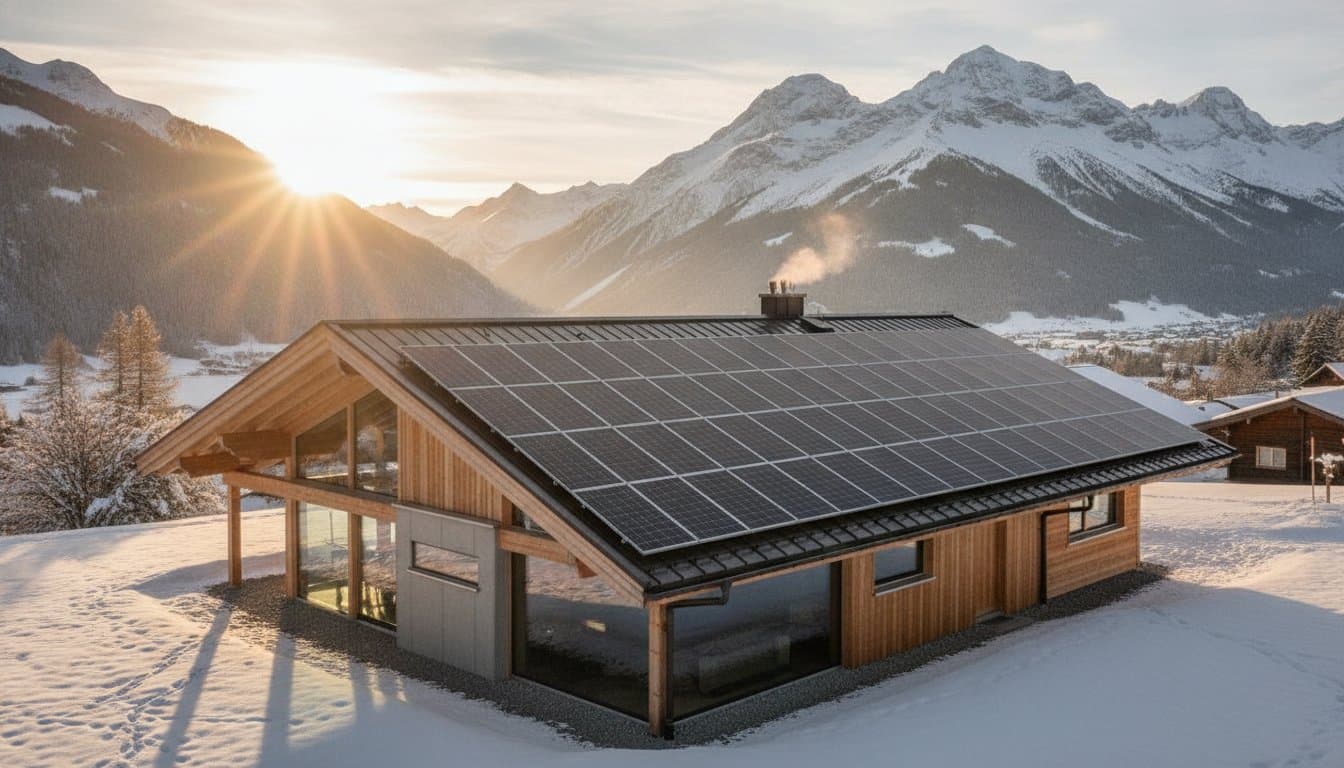
The Swiss climate poses demanding requirements for solar systems. Temperatures fluctuate greatly, especially in the Alps, necessitating robust material selection and construction.
Solid substructures are necessary to withstand snow loads at higher altitudes and prevent hail damage. The Swiss Hail Protection Register tests and certifies modules for their resilience.
Correct planning regarding mounting systems and ventilated modules increases lifespan and ensures operational continuity during extreme weather events.
Solar systems in Switzerland must withstand extreme climatic conditions, requiring high-quality materials.
Maximize Lifespan through Maintenance and Monitoring
Although photovoltaic systems require minimal maintenance, even minor defects can reduce efficiency. Regular checks ensure maximum lifespan.
Events like Saharan dust can lead to dirt buildup, impacting yields. Gentle cleaning methods without aggressive agents are recommended.
Modern monitoring can detect and resolve anomalies early, maximizing longevity.
- Regular system inspections and scheduled maintenance.
- Use of monitoring systems for fault detection.
- Gentle cleaning as needed to maximize yield.
Finding the Right Partner for Durable Systems
Choosing an experienced installer is crucial for the quality of the system. Installation flaws can render the best technology useless.
Certified companies like Swissolar members provide benefits through adherence to high-quality standards and comprehensive guarantees.
Comparing providers helps to find the best partner ensuring professional and durable installation.
An experienced, certified company is key to a successful and long-lasting solar system.
Your Investment in an Independent Energy Future
Choose a solar future that lasts for decades. Let PVPro help you find the best partners and benefit from high-quality offers without hidden costs. Protect your investment by choosing durable systems and experienced professionals.
Compare Free OffersFrequently Asked Questions
How long do solar modules in Switzerland actually last?+
Modern solar modules in Switzerland are designed to produce electricity for 30 to 40 years. Even after warranty periods end, they remain functional with minimal annual performance loss.
Do I have to replace the inverter after 15 years?+
The inverter often requires maintenance or replacement after 12 to 15 years. However, if it is still functioning well, early replacement is not mandatory but can improve efficiency and offer new features.
Do glass-glass modules have a longer lifespan?+
Yes, glass-glass modules offer better long-term protection from environmental influences as they are more resistant to moisture and mechanical stress, which is particularly advantageous in areas with high snow loads.